What is a Mammal?
Warm-blooded vertebrate animals from the class Mammalia (including humans)that are characterized by the covering of hair on the skin. Also in mammals, the female will have milk-producing glands for feeding and nourishing the young.
Characteristics of Mammals:
- All mammals are warm-blooded
- Most mammals give birth to live young
- Mammals have have fur or hair on their bodies
- All mammals are vertebrae
- All mammals have lungs to breathe air
- Mammals feed milk to their babies/young
Classification of Mammals:
There are about 5,416 species of mammals in the animal kingdom. They are divided into 3 sub-classes (Eutheria, Metatheria, and Prototheria) and 26 different orders. Mammals fall under the:
Kingdom: Animalia
Phylum: Chordata
Class: Mammalia
Here is the list of the total 26 orders that mammals fall under:
- Subclass Eutheria (Mammals born in the uterus during pregnancy)
- Order Artiodactyla (Even-toed; examples= Antelope, Camels, Deer, Pigs, Cows, Sheep, Hippos)
- Order Carnivora (Carnivores; examples= Cats, Bears (Panda, Polar, Grizzly) Weasels)
- Order Cetacea (Examples= Whales, Dolphins)
- Order Chiroptera (Examples= Bats)
- Order Insectivora (Insect-eaters; examples= Hedgehogs, Moles, Shrews)
- Order Lagomorpha (Examples= Rabbits, Hares)
- Order Macroscelidea (Examples= Elephant Shrews, Jumping Shrews)
- Order Perissodactyla (Odd-toed; examples= Horses, Rhinos)
- Order Pholidota (Example= Pangolins)
- Order Primates (Examples= Apes, Monkeys, Lemurs, Humans)
- Order Proboscidea (Examples= Elephants, Mammoths, Mastodonts)
- Order Rodentia (Rodents; examples= Rats, Mice, Squirrels, Gerbils, Hamsters)
- Order Sirenia (Examples= Sea Cows, Manatees)
- Order Tubulidentata (Examples= Aardvark)
- Order Edentata (Examples= Sloths, Armadillos)
- Order Hyracoidea (Examples= Cape Hyrax, Rock Hyrax)
- The following orders no longer exist; Extinct
- Order Condylarthra (No animal longer exists from this order; extinct. Appeared during the Cretaceous Period nearly 65.6 million years ago)
- Order Creodonta (No animal longer exists from this order; extinct. Group of carnivores that shared characteristics with Carnivora; Went extinct nearly 67.8 million years ago)
- Order Desmostylia (No animal longer exists from this order; extinct.They were a group of marine mammals, similar to manatees)
- Order Embrithopoda (No animal longer exists from this order; extinct. They were a group of rhino-like animals. Origin was in Romania, Turkey, and Mongolia.
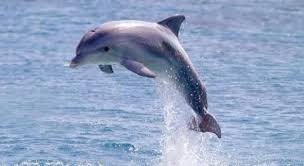 |
| Dolphin (Cetacea) |
 |
| Rock Hyrax (Hyracoidea) |
 |
| Elephant (Proboscidea) |
 |
| Aardvark (Tubildentata) |
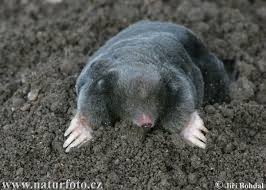 |
| Mole (Insectivora) |
 |
| Hare (Lagomorpha) |
 |
| Horse (Perissodactyla) |
 |
| Katy Perry (Primate) |
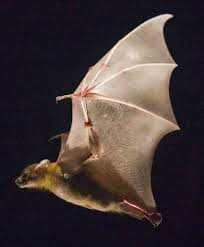 |
| Bat (Chiroptera) |
 |
| Polar Bear (Order Carnivora) |
 |
| Lemur (Primate) |
 |
| Pangolin (Pholidota) |
 |
| Squirrel (Rodentia) |
 |
| Elephant Shrew (Macroscelidea) |
 |
| Armadillo (Edentata) |
 |
| Bill Cosby (Primate) |
 |
| Antelope (Order Artiodactyla) |
 |
| Bill Gates (Primate) |
 |
| Sea Cow/Manatee (Sirenia) |
- Subclass Metatheria (Marsupials; includes 270 species of mammals whose young are in their immature state. Also females have pouches)
- Order Didelphimorphia (Examples= Opossums)
- Order Paucituberculata (These are shrew-like insectivores)
- Order Microbiotheria (This order only contains one living species called "Monito Del Monte"
- Order Dasyuromorphia (Examples= Numbat and the extinct Tasmanian Wolf)
- Order Peramelemorphia (Examples= Bandicoots and Bilbies)
- Order Notoryctemorphia (Examples= Marsupial Moles)
- Order Diprotodontia (Examples=This order has 10 families and 117 species; examples= Kangaroos, Wallaby, Wombats, and Koalas)
 |
| Shrew-like Insectivore (Paucituberculata) |
 |
| Monito Del Monte (Microbiotheria) |
 |
| Tasmanian Wolf (Dasyuromorphia) |
 |
| Bandicoot (Peramelemorphia) |
 |
| Marsupial Mole (Notoryctemorphia) |
 |
| Kangaroo (Diprotodontia) |
 |
| Wallaby (Diprotodontia) |
 |
| Koala (Diprotodontia) |
 |
| Opossum (Didelphimorphia) |

No comments:
Post a Comment